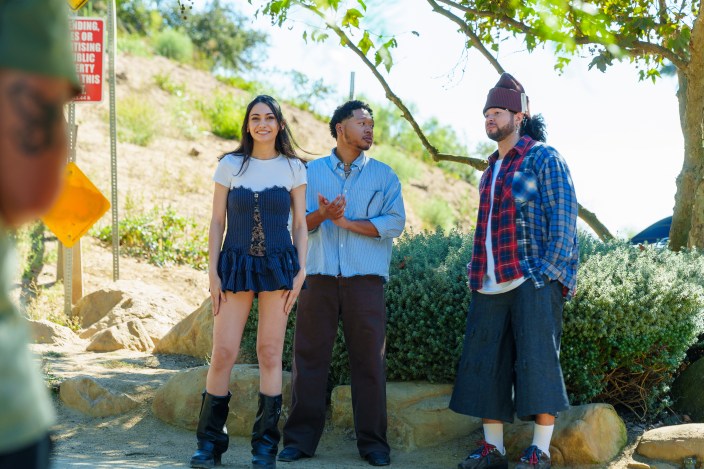

Toyota and UPROXX have teamed up for The Next Gear, a series that puts emerging creatives in the passenger seat of the All-Electric C-HR. Joining the creatives in the driver’s seat is Grammy-nominated DJ, producer, and songwriter Illenium, ready to talk creativity, big dreams, and how to build a career that lasts.
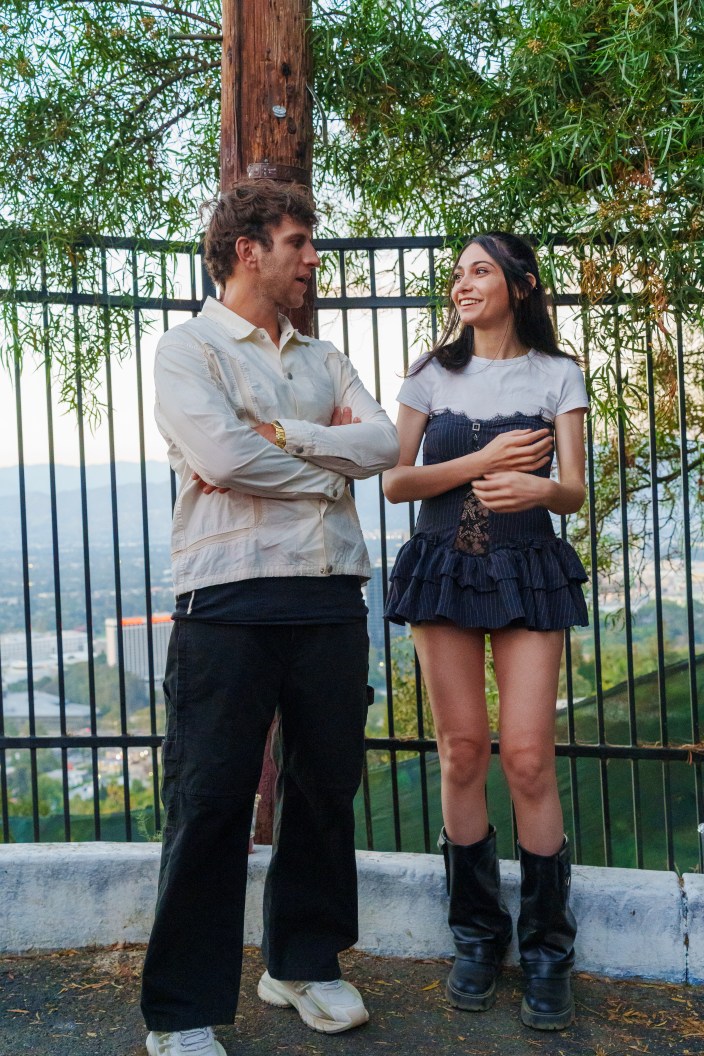
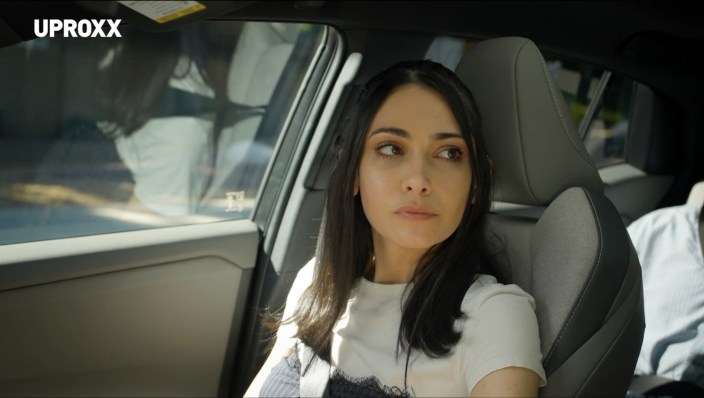
One episode follows melodic bass and trap DJ and producer St. Mary, and she left the ride with tips on getting to the Next Gear: how to balance music, shows, and socials, and how to develop a voice (or sound) that is truly your own.
“It was so cool to get advice from Illenium because he’s been one of my favorite artists… I’ve always looked up to him, and so getting this advice felt really motivating and made me feel like everything that I set my mind to, I can just make happen. My biggest dream is to make people feel seen and make people feel like they’re home when they listen to my music, the same way that I have always felt through Illenium’s music. Getting this advice has honestly been a game changer for me. And I just can’t wait to see where this takes us.” — St. Mary
We went through the entire drive and pulled out every piece of advice worth writing down for this editorial, presented in partnership with Toyota: on protecting your time, on where a sound comes from, on when to rest, and on what it really takes to get somewhere. Here’s everything St. Mary came away with, from someone who’s already shifted into the Next Gear.
On developing a sound or signature
Illenium’s sound came out of the artists he was chasing.
“There are five to ten artists that really inspired me, and the combination of all those sounds created my sound…If you can find that, that’s really helpful — then stick to that for a little bit. But that doesn’t necessarily mean you’re bound down to one thing. Learn to experiment within that.”
Drum and sample choices are what separate producers.
“One of the biggest things as a producer that makes you different is your sample choices, and drum choices specifically. Getting something that’s harder to recreate is helpful — unique drums do that the best… If you can figure out a way to find a little unique bit that you reuse, or use in different ways, that’s helpful.”
On being influenced vs. copying
Sounding like your influences early is part of learning.
“You naturally use your influences and try to figure out how they’re doing stuff, so it sounds a lot similar — which I don’t think is necessarily a bad thing. It’s part of learning and part of being inspired.”
Eventually your own work becomes the influence.
“When you learn that sound, then you kind of get inspired by your own music and your own shows and your own connections.”
On writing for the room vs. writing the song
He tweaks structures because he knows what works live.
“The more shows I’ve played, the more I do tweak my structures and tweak certain things because I know what will work better live.”
A strong vocal is everything.
“If you have such a good vocal, it’s okay to have a more minimal production behind it. There’s not a right or wrong.”
A crowd singing along hits as hard as a drop.
“It’s a huge epic moment. That’s almost as satisfying as a huge banger.”
Two hours of peaks is too many peaks.
“I think we get desensitized, especially in electronic music, to having these absolutely wild crowds all the time. But you don’t want that nonstop for two hours. It has to have ebb and flow, and you have to have little down moments.”

On rest
The fear that stopping costs you everything isn’t rational.
“I feel like I always have to have my foot on the pedal or things are gonna just disappear immediately. And it’s not realistic.”
Three or four weeks off is enough to reset him.
“If I take three or four weeks off, I feel fully rejuvenated, and I feel like I’m ready to get back in the studio and excited.”
On breaking out as a new artist (in electronic music)
Bootlegs first, then the release.
“The best timing you could possibly do is have something become relevant. And the easiest way to do that is make a sick bootleg, or make three bootlegs and crush social media with them — and then put your EP out.”
A remix has a better shot at breaking than an original.
“For an artist that’s just starting out, your best hope of one blowing up is via social media. And it’s harder to do that with just an original than it is remixing something. And then if a remix blows up, you’ll make it an official remix.”
What you bootleg doesn’t have to be current.
“It doesn’t even need to be trendy electronic music. You can do something that you love from whenever — and you get people to play it out.”

Getting To The Next Gear
He learned the business instead of handing it off.
“I love the business side of everything. A lot of artists don’t, and they just let their management do everything.”
Work in the present, then name the next thing.
“Be very focused in the present, living in the present, and making the best music you can and putting everything into that. And then planning what is the next thing you want to achieve, and what is going to get that done.”
You can get anywhere, but you can’t skip anything.
“I really do believe you can do anything you possibly put your mind to. But it takes time, it takes people, and it takes an absolute grind. It’s one step at a time — you’re not going to get there by skipping anything.”
Goals and expectations aren’t the same thing.
“There’s a difference between expectations and goals. The goal was always… let’s do the biggest thing anyone has ever done. But the expectation is, okay, maybe we can headline Red Rocks in ten years.”
Take the win, then get back in it.
“As soon as I would check one of those things off, I would really try to soak it in, be so grateful — and then a hundred percent aim for the next thing… I’m chronically never satisfied.”