
Presents, food, friends, and family are what this next stretch of the calendar is all about. But for those hours in-between having to go out and turn on, the best films from 2025 are here for you, most of them available to stream, but a few calling you to the theater for buttery popcorn and the less damaging kind of holiday season drama.
While you may have seen a lot of these films throughout the year, we tip our cap if you’ve seen everything here. If you haven’t, though, consider this one last holiday season to-do list. Encapsulating an on-screen year of spirals, soul salvation, superheroes, and the supernatural, 2025 packs a punch with astonishing performances, visual spectacle, seering stories, and unsparing looks at our world in the past and present which are guaranteed to spur some conversations on the group chat and at the dinner table.
Give it a read and go out in search of entertainment and jaw dropping film.
28 Years Later
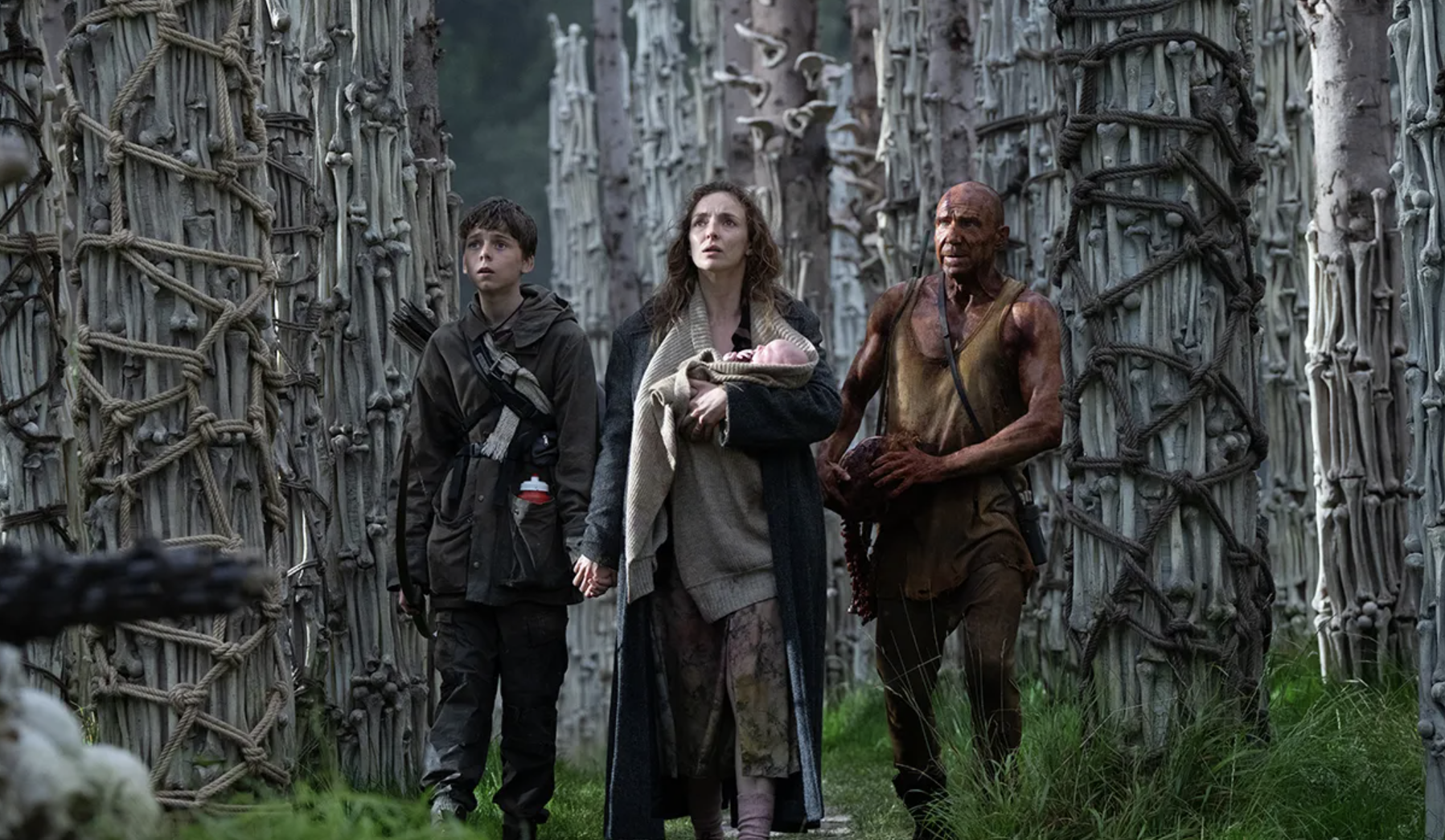
28 Years Later isn’t just another sequel in a long-running zombie franchise, it’s a meditation on survival, memory, and the damning effects of isolation. Danny Boyle and Alex Garland team up once again for this buzzed-about installment, but this time the apocalypse feels almost domestic, like something we’ve settled into after the initial shock of infection and societal collapse has worn off. The story’s set-up is pretty straightforward: a remote English island, a community clinging to tradition while keeping watch over a mainland gone feral. Alfie Williams’ Spike is a kid trying to grow up too fast, Aaron Taylor-Johnson is his problematic dad, and Jodie Comer plays his mom, a woman suffering from what’s hinted to be a brain tumor. Their quest for a cure – not to the bigger rage virus epidemic but to something more insidious and uncomfortably relatable – leads Spike and his mom to Ralph Fiennes’ Dr. Ian Kelson, a hermit who offers up some of the movie’s most poignant messaging on mortality, grief, and the interconnectedness of it all. For a zombie flick, it’s surprisingly and painfully human, which is why it snags a spot on this list. — Jessica Toomer
Avatar: Fire and Ash
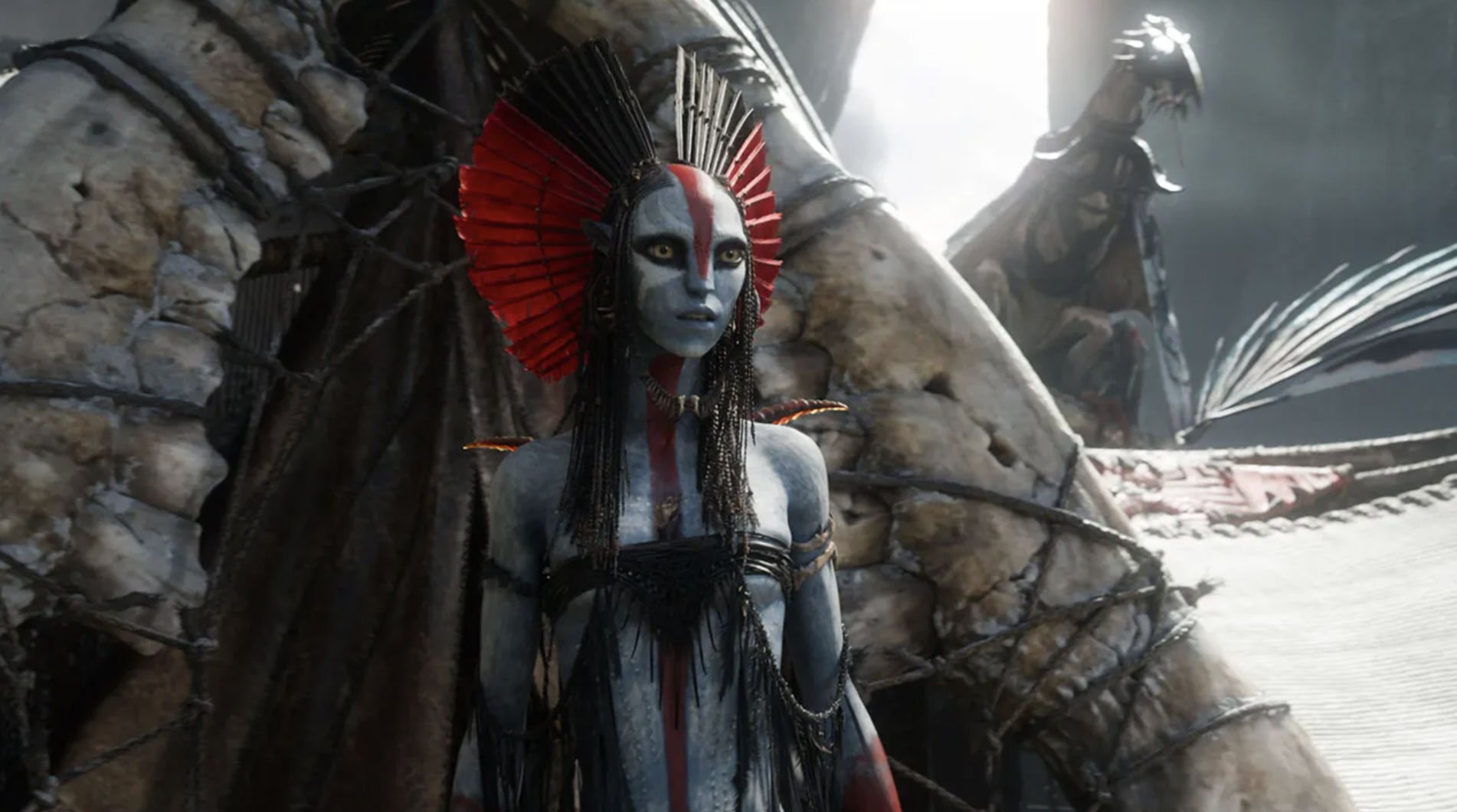
Avatar: Fire And Ash has a lot going for it. I don’t want to get into spoiler territory listing off all the cool Tulkun shit and the other surprises, but if you take the universe James Cameron created even remotely seriously, there is a lot of payoff in the latest installment. And while some of the criticisms of this film hold water – most notably some repeated story beats from the second film that make it clear that they were originally supposed to be a single movie – there’s just no better action epics happening right now at this scale. Cameron continues to build out a deeply fascinating world and raising the stakes that when the final hour hits, it becomes the most effective blockbuster extravaganza of the year. — Philip Cosores
Blue Moon
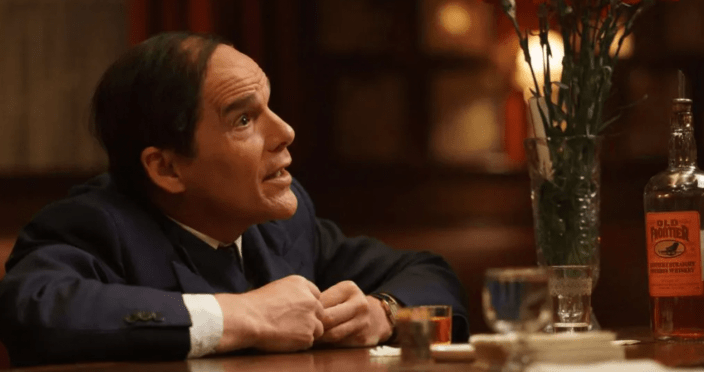
The 9th collaboration between Ethan Hawke and filmmaker Richard Linklater is the most unique from the rest. In the film, Hawke is running on pure nervous energy as the balding, 5-foot-tall Lorenz Hart, the ultimately tragic first creative partner of legendary composer Richard Rodgers (Andrew Scott). Hart is in love with a great many things: the sound of his own voice, the musicality of a sentence with perfectly chosen words, his young mentee Elizabeth Weiland (Margaret Qualley), a good drink, and the act of keeping up appearances amongst friends and colleagues while skulking around Sardis after the premiere of Rodgers (and Hammerstein)’s Oklahoma. But underneath all that buzz and those fake smiles is an acid tongue and a man seemingly rooting for his longtime partner’s failure and return to their less commercial work together. Hawke really sums up the import of the film’s central story perfectly in a Daily Show interview, explaining the art vs. commerce battle for the soul of American theatrical audiences at a time of war when people were turning away from Hart’s beloved satire toward more sanitized and uplifting reflections – “nostalgia for a world that never existed,” as he says. A fight ongoing, it seems. — Jason Tabrys
Bugonia
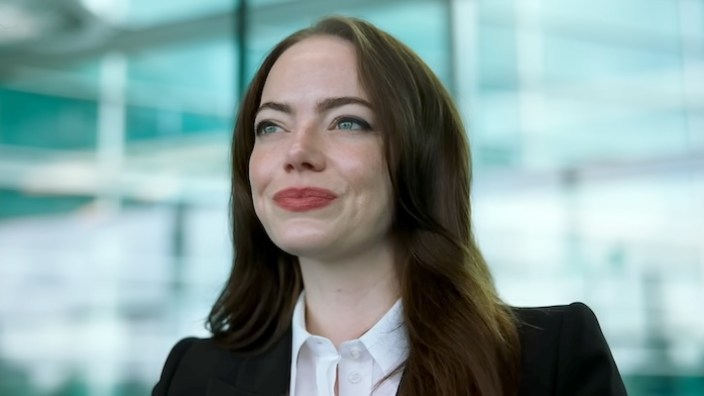
Emma Stone and Jesse Plemons are startlingly good in Yorgos Lanthimos’ latest bleak and black comedy, playing a visionary CEO absent a soul and a conspiracy theorist whose brain has been melted by grief. The showdowns between their two characters, largely occurring in the basement where Stone’s character is being held until she admits she’s an alien, portray an intense duel as the CEO repeatedly runs into a wall when trying to mindfuck her captors. Yorgos being Yorgos, things get absolutely insane in the third act with a sharp turn toward the absurd that feels deeply satisfying. — Jason Tabrys
Eddington
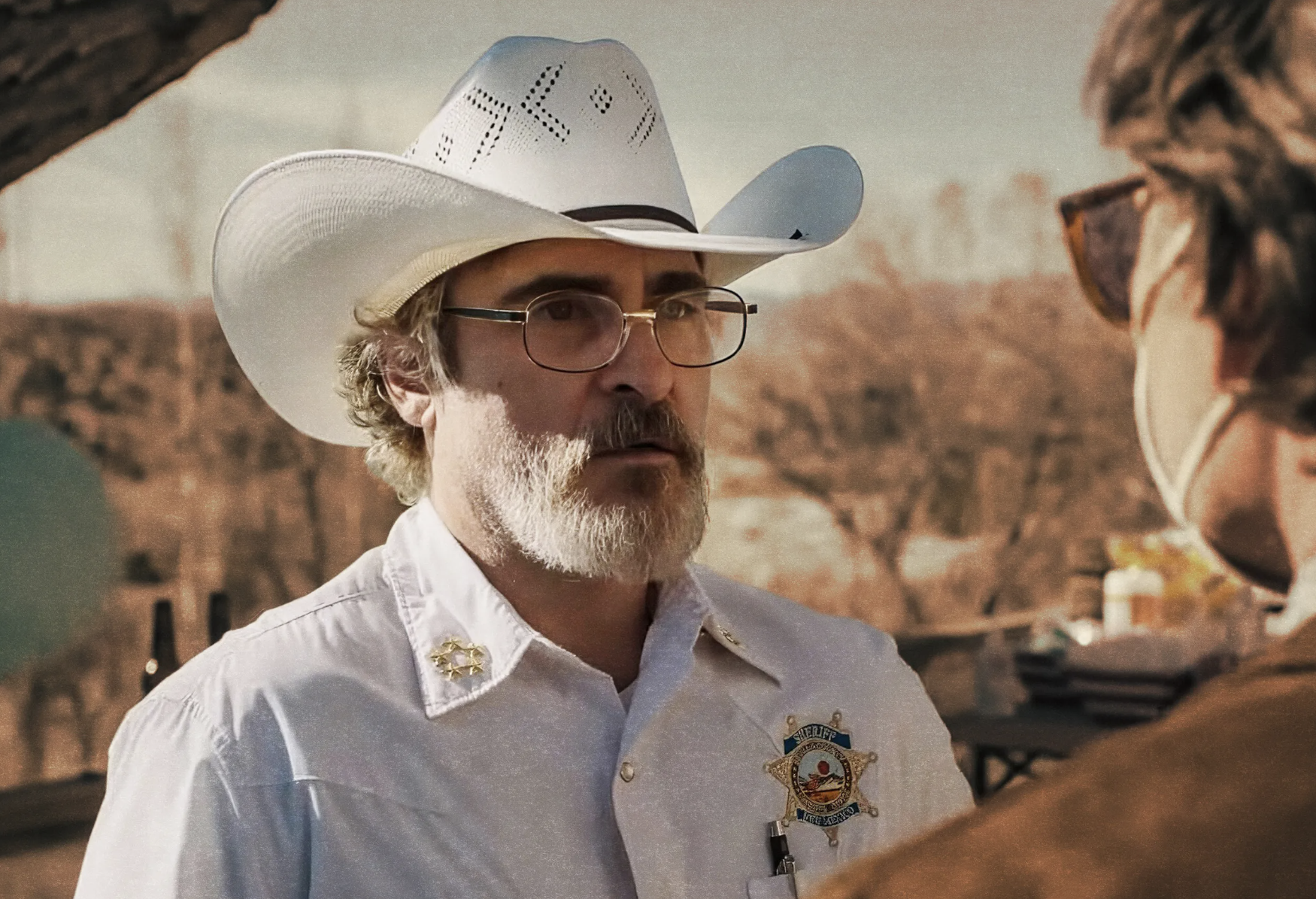
Your being manipulated. [sic]
Ari Aster’s latest hilarious bit of nightmare fuel is about as divisive as movies come, but you also rarely see a film’s reputation flip as quickly as Eddington, which went from poor Cannes buzz to high placement on lists such as these. It’s understandable why the film turned people off, as it interrogates how both the left and right lost their minds a bit in 2020, and how systems of power use our differences as a smokescreen for long-tailed policy. But it’s also important to note that the film isn’t “both-sidesing” the political climate. In Aster’s own words, one side in the film is annoying and hypocritical, the other is literally murderous. Eddington is knife-sharp in its observations, packed with subtle jabs that sting if you can’t laugh at yourself, and then some not-so-subtle upper cuts that bang the points home. But the film also feels crucial, as we need filmmakers to examine what was a period of national trauma where even those with the best of intentions lost their way. It might be hard to watch, but this will prove to be valuable, lasting art. — Philip Cosores
Frankenstein
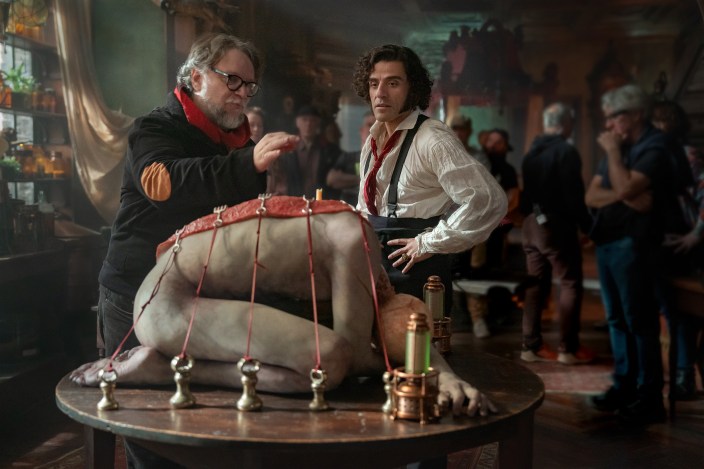
The world didn’t so much need another Frankenstein re-telling so much as it needed masterful macabre storyteller Guillermo del Toro to take hold of Mary Shelley’s story and add his signature talent for world-building, specificity, and creature creation. The result is a beautiful and heartbreaking epic about creators, creations, and obsession, powered by Oscar Isaac’s driven and debonair Victor Frankenstein and Jacob Elordi’s tortured creature. Though the story has its thin points (specifically at the end) and deviations from the known tale, the whole is a triumph of gothic storytelling. It’s also an imperative watch for fans of del Toro’s past works, the Frankenstein story, and anyone in search of a new take on a story still shockingly relevant about those who would try to harness the power of a God without regard for the possible bloody consequences. — Jason Tabrys
Friendship
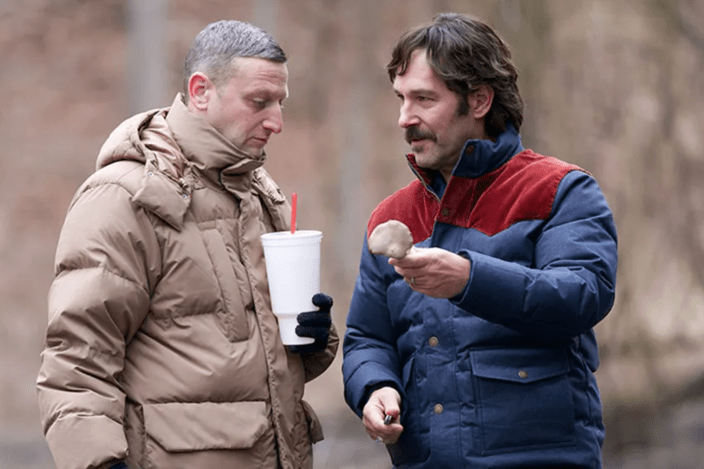
Tim Robinson’s creative 2025 centered on the idea of obsession, crossing into awkwardness. That’s true for The Chair Company (which landed on our best TV list) and this two-hander co-starring Paul Rudd as a cool neighbor guy who tries to back away slowly from the Robinson character’s friendship once things get a little too intense. Perfectly cast, the film is a cringe comedy goldmine that leans into the spiral, but it’s all tethered to reality by the much-mentioned male loneliness epidemic and the weird transitional place people sometimes find themselves in in their 30s and 40s as old friendships wither and wane, and new friendships prove challenging to unlock. As weird and scary as Robinson’s character is, especially at the end, it’s hard not to see the tragedy of someone desperate for connection whose brain is scrambled from a series of Ls largely brought on by his own behavior. — Jason Tabrys
If I Had Legs I’d Kick You
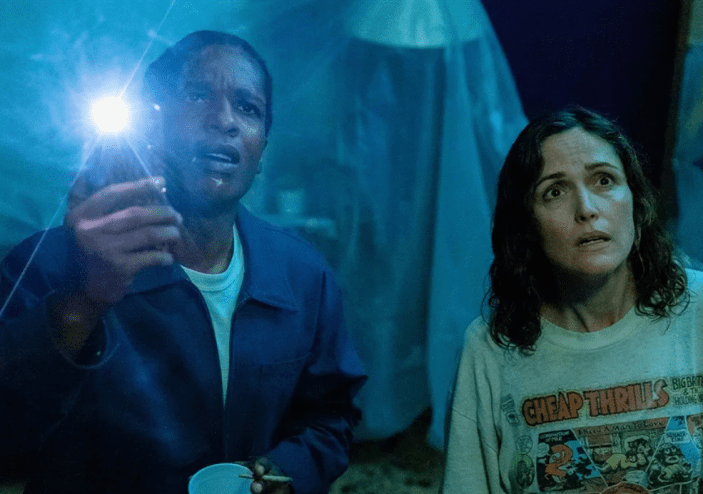
Another spin-out story, this one centered on Rose Byrne’s therapist character as she tries to navigate a life collapsing all around her (sometimes literally). Desperately in need of a break, Byrne’s character does her best to keep it all together while being yelled at, condescended to, antagonized, and ignored by her largely unseen husband (Christian Slater), sick daughter, daughter’s doctor, her own therapist (Conan O’Brien), and her patients. Among others. Written and directed by Mary Bronstein, this festival favorite is a heightened portrait of a woman juggling too many chainsaws in a shitstorm, striving for control and balance while constantly being held down by chaos and people’s flagging empathy. Is the film high profile enough to net Byrne an Oscar nomination for how she plays the resulting bottled frustration as it builds and builds? She absolutely deserves one. — Jason Tabrys
Is This Thing On
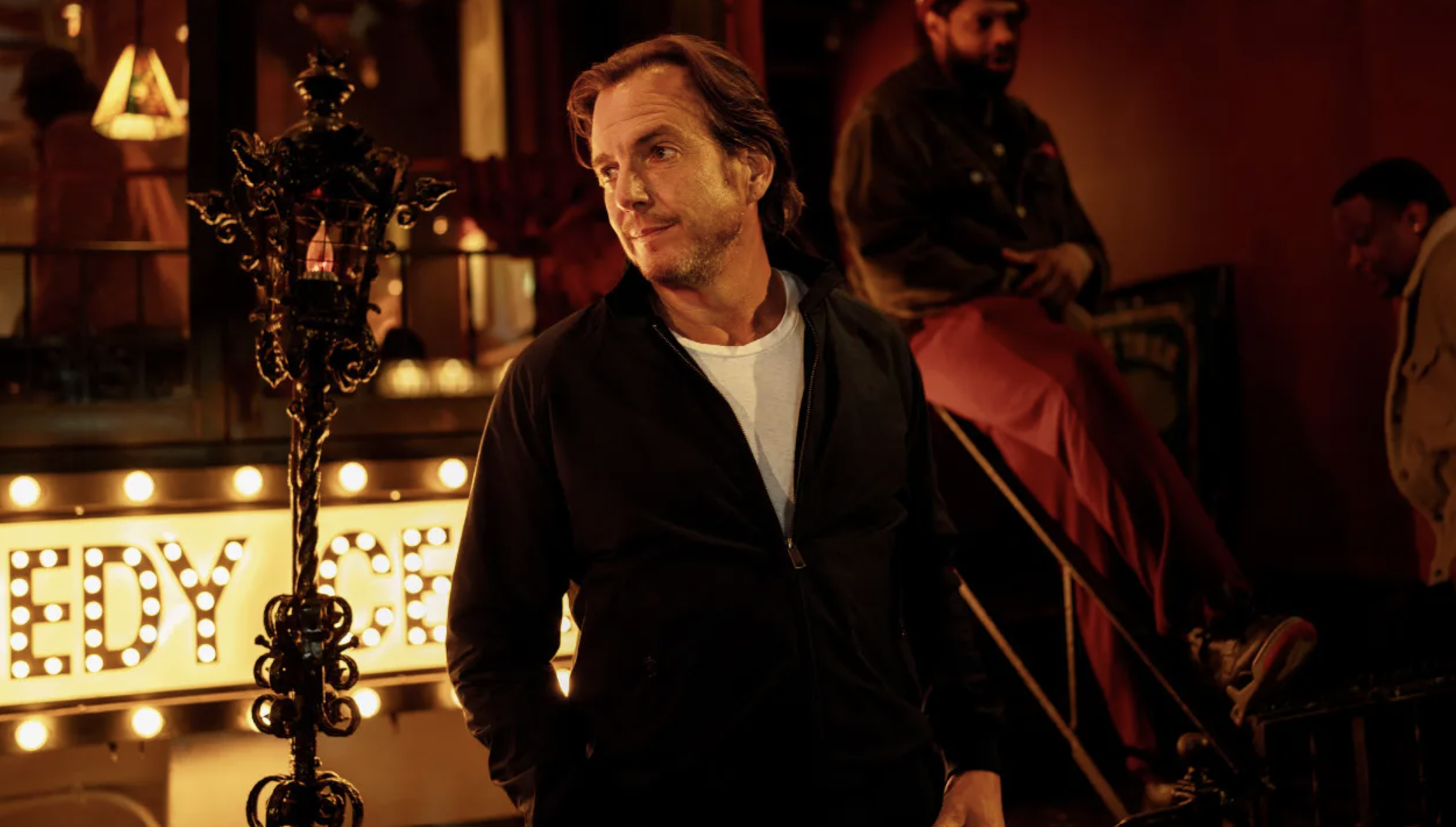
Sorry Ella McCay, but it turns out that the best James L. Brooks movie of the year was actually made by Bradley Cooper. And, while the takes are coming, it must be said that Cooper is now 3/3 as a filmmaker with a growing oeuvre of varied, fascinating work. Is This Thing On? is the most minor of his three films, but that’s part of what makes it so interesting, as he’s working directly with Will Arnett to tell a small, personal story that lacks the sweeping scope of this previous films. The weakest stuff is the actual standup (which is maybe part of the point?) but when the movie gets going, Cooper finds the beating heart of the familial drama and the exuberant laughter that connects the dots. He also delivers maybe the single funniest performance of the year. He really can do it all. — Philip Cosores
It Was Just An Accident

If you were to judge just from the logline – former Iranian political prisoners face what may be their torturer and must decide what to do with him – It Was Just An Accident sounds like a tough hang. And when you add in the situation with director Jafar Panahi, who is due to serve a year in prison when he returns from his awards campaign after having previously been banned from filmmaking due to his criticism of the regime, the film’s weight and importance extends beyond the confines of the actual runtime. All that said, It Was Just An Accident is also very funny and thoroughly entertaining, all while giving the very serious premise the attention it deserves. It’s a massive accomplishment that even becomes more impressive when considering the defiance that its creation represents. — Philip Cosores
KPop Demon Hunters
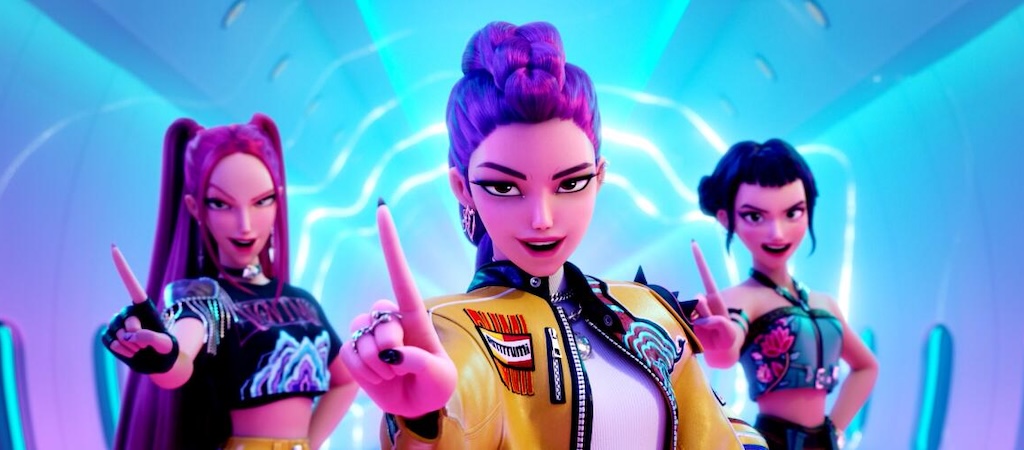
No one, not even the most devout Blackpink groupie (raises hand) saw the success of KPop Demon Hunters coming. A girl band with world-saving duties? Demon boy-band rivals? Mind-blowing 2D/3D hybrid animation synced to a nonstop playlist of bangers? (Okay fine, when you list it out like that, maybe we should’ve.) Directed by Maggie Kang and Chris Appelhans, the movie follows Rumi, Mira, and Zoey, the latest incarnation of a K-Pop girl band tasked with keeping a demon apocalypse at bay. They’re funny, they’re fierce, they’re relatable as hell despite their supernatural duties – they just want oversized hoodies, piping hot ramyun, and couch, thank you very much. Meanwhile, their enemies are equal parts absurd and terrifying, and the film’s kinetic action fused with its relentless soundtrack raises the stakes of every performance-turned-beat-down. If this isn’t already your new obsession, consider yourself warned. — Jessica Toomer
Lurker
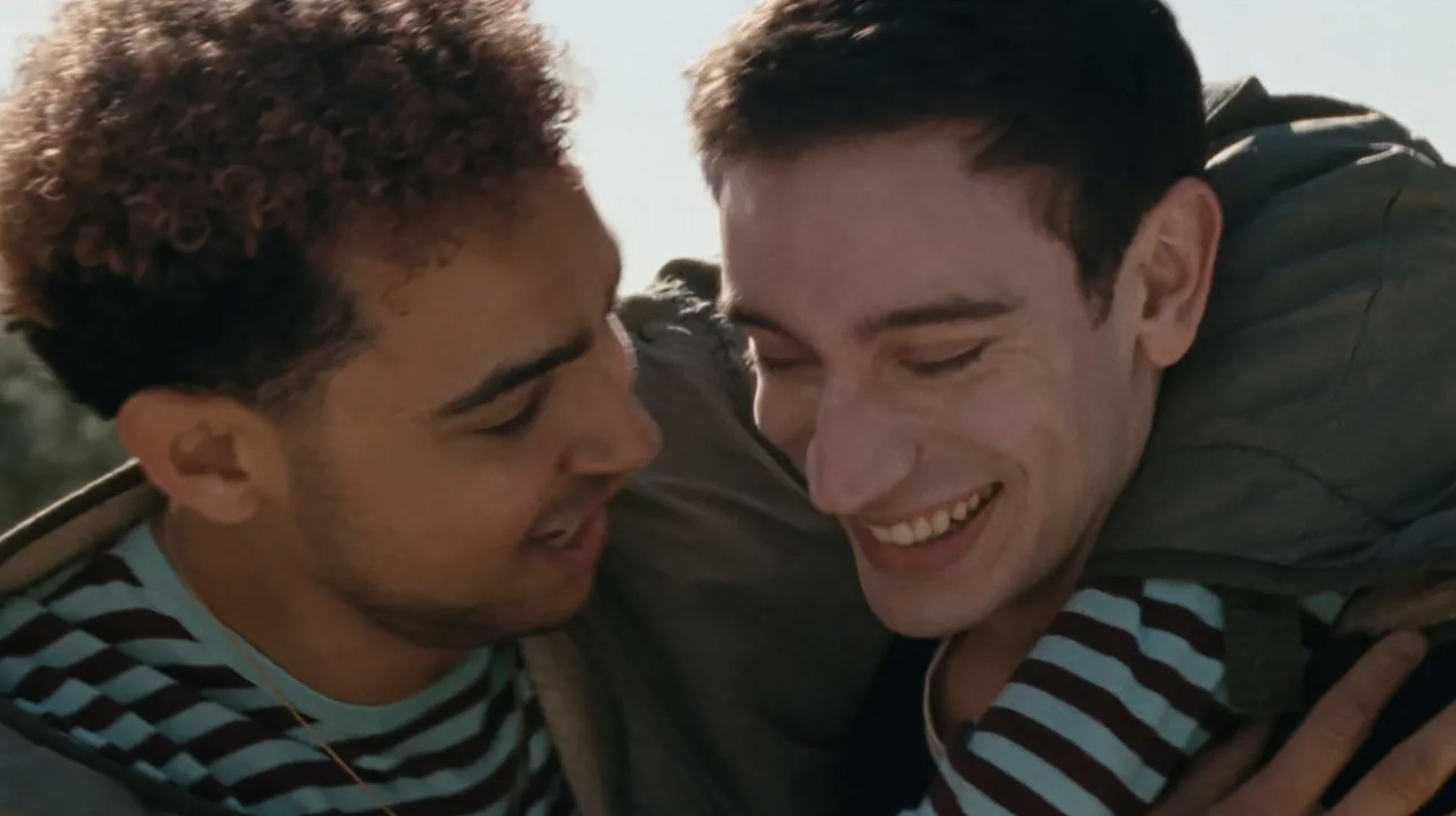
Lurker isn’t an entirely new tale – personal obsession leads someone down a dark pathway – but the world that the film operates in does feel particularly unexplored. In fact, updating tropes for the Instagram generation results in something quite telling about how fans and artists interact in the contemporary world, where constant metrics form an internal value and vision of self-worth that’s hard to shake. Lurker is vivid, confident storytelling from debut filmmaker Alex Russell that captures an intoxicating and frightening reality, with music from Kenny Beats, Dijon, and Rex Orange County to give the film its cool-kid authenticity. — Philip Cosores
Marty Supreme
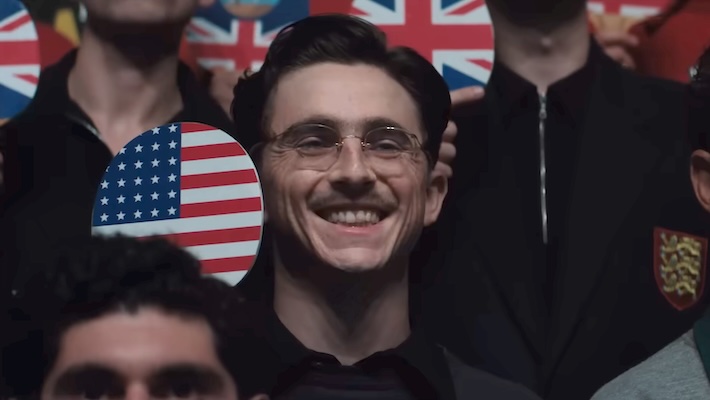
When the Safdie Brothers unceremoniously ended their partnership after the success of Uncut Gems, there as strong feeling that Benny was the one with the real juice, as he quickly began working with artists like Christopher Nolan, Nathan Fielder, and Paul Thomas Anderson, growing his network as his ambition took him to more varied visions. But now that we’ve finally heard from Josh, it became instantly clear where the manic urgency of the brothers’ movies came from. Marty Supreme is a Safdie joint with the dial turned to 100, its scope bigger than ever before. With Timothée Chalamet on his generational shit, inspired casting decisions ranging from Tyler, The Creator to Abel Ferrara to the dude from Shark Tank, and an out-of-this-world score from 0PN mastermind Daniel Lopatin, Marty Supreme feels like the culmination of a style that can’t be confined to the gritty New York streets. It can globe-trot, as well. — Philip Cosores
No Other Choice
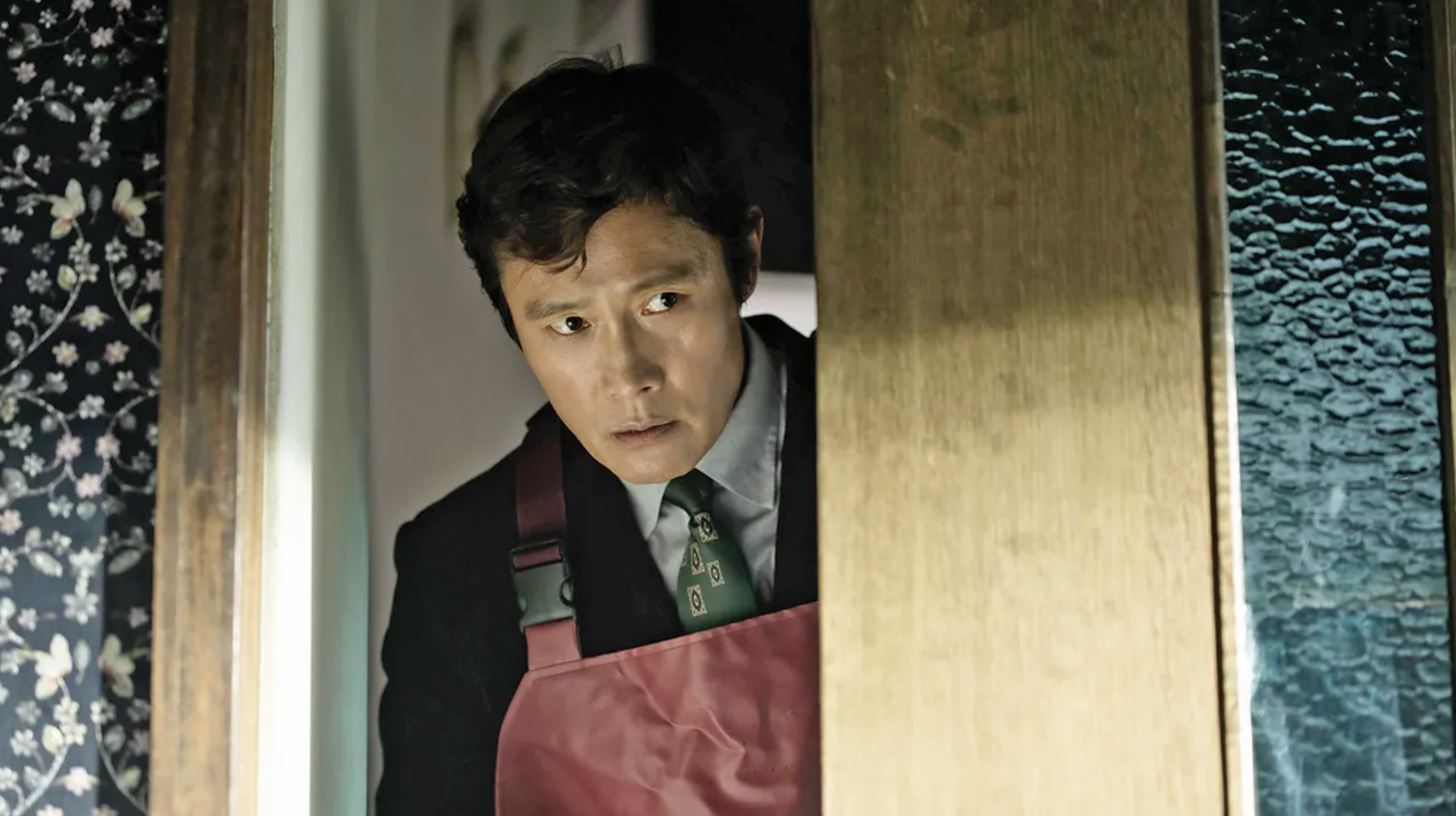
Every Park Chan-Wook film is an event and No Other Choice is no different. He’s been oscillating between Korean- and English-language productions in recent years, and this tale of a Korean paper employee who chooses unconventional methods in response to losing his job captures the moment of AI fears and economic uncertainty. But most of all, he’s just back to being his hilarious, dark, freaky self in the film, which includes terrific needle drops and some of the most unexpected dissolves conceivable. It remains to be seen if Director Park finally nets some serious awards recognition for his efforts, but the film is monstrously entertaining and expertly crafted regardless. — Philip Cosores
One Battle After Another
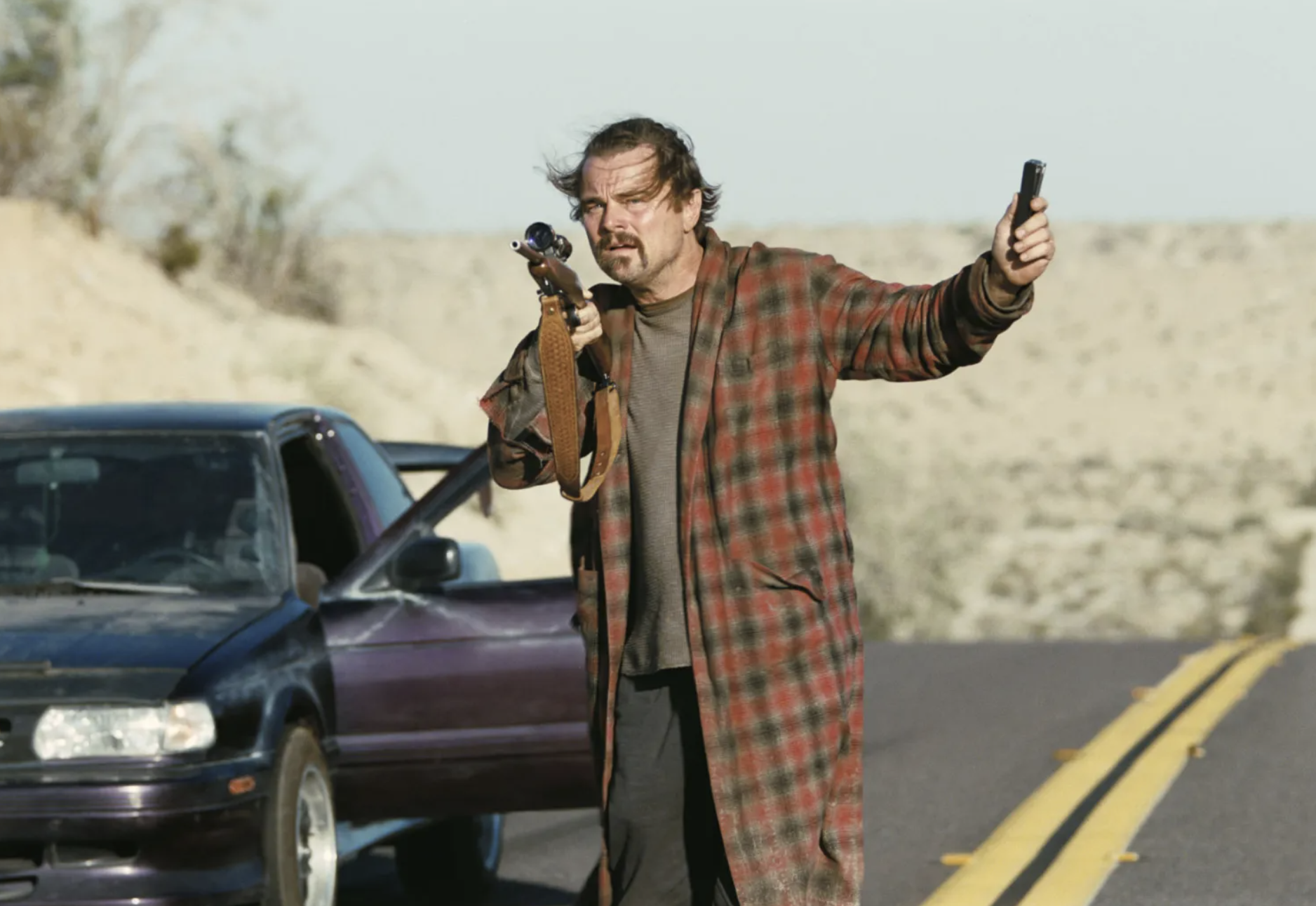
For those of us who started buying Paul Thomas Anderson stock in the ‘90s, we’re cashing out like gangbusters in 2025. One Battle After Another was a huge risk both on paper and in practice for Warner Brothers, giving an auteur like Anderson more than 100mm dollars to make a three-hour politically-charged epic. No one knew whether it would be a commercial or awards play, but it turns out, it was a play on all fronts. And maybe more important than the film’s rolling, twisty road to profitability or the amount of Oscars it wins (likely many) is the fact that WB funded a massive, lasting piece of art that will be discussed far longer than the platforms we currently debate its merits on. This is obviously a more nuanced conversation than a blurb can hold, but this is what movies are at their best. They provoke discussions about art vs commerce, race, politics, generational performances, adaptation, and marketing. And in this case, they also make for great memes and a Fortnite tie-in. — Philip Cosores
The Perfect Neighbor
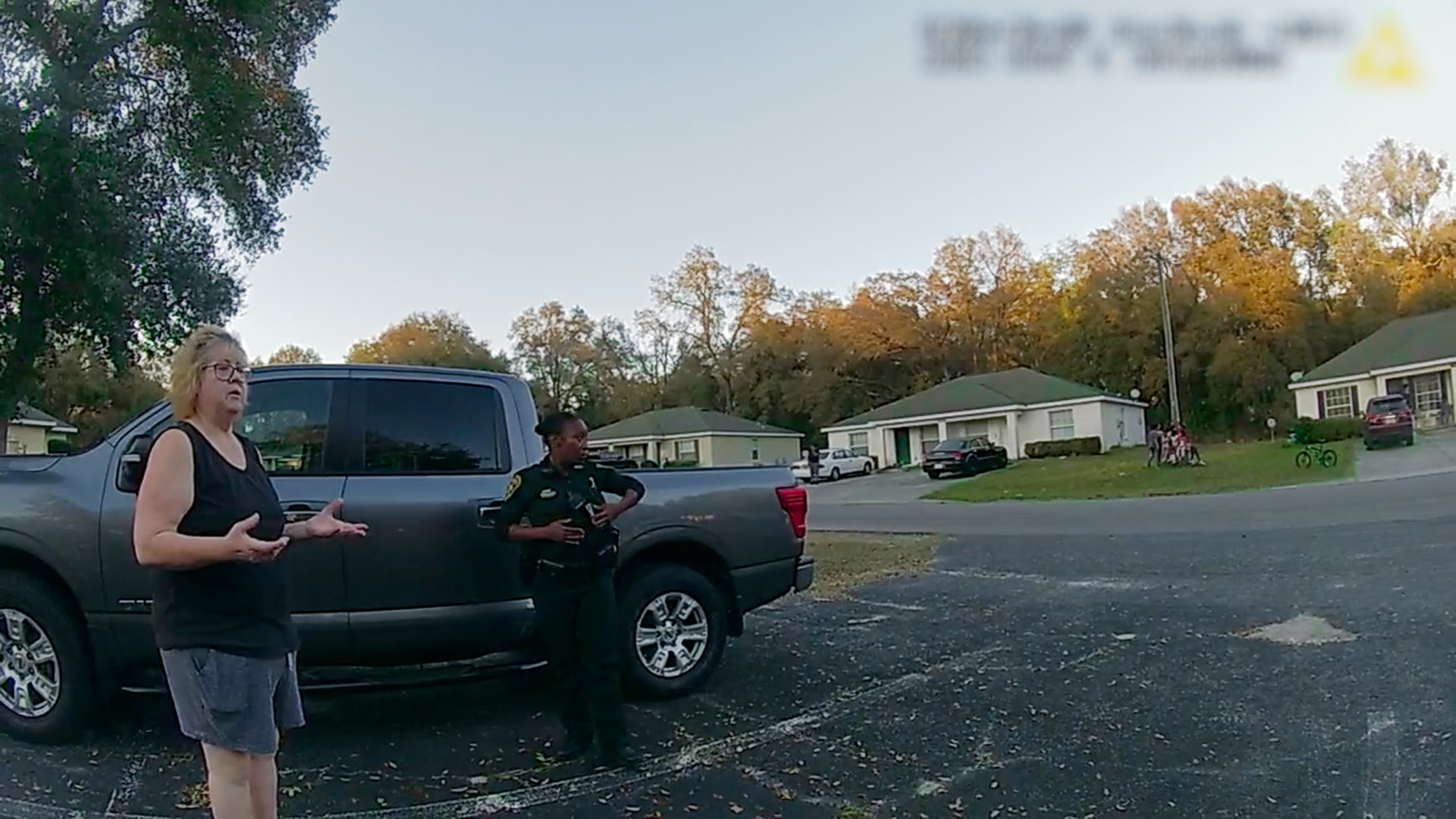
Forget every other horror entry on this list because this Netflix doc (and film fest breakout) is the most terrifying movie you’ll watch this year. The Perfect Neighbor turns a familiar suburban nightmare into a tense, unflinching meditation on privilege, bias, and the thin blue line between annoyance and tragedy. Director Geeta Gandbhir reconstructs the real-life deadly dispute between Florida resident Susan Lorincz and her neighbor Ajike “AJ” Owens almost entirely through police bodycam and surveillance footage, creating a documentary that feels immediate, intimate, and horrifyingly inevitable. There are no interviews and no dramatizations as we bear witness to the escalating chaos of a neighborhood conflict amplified by systemic inequities and the weaponization of “self-defense” laws. What Gandbhir captures is both the microcosm of neighborly tension and the larger, brutal reality of race and power in America: a single call to 911 can carry consequences that no one can anticipate or understand. It’s the only true-crime film we’ve seen this year that forces its audience to really dig into their own assumptions and prejudices while watching powerless as a preventable tragedy unfolds. — Jessica Toomer
Sentimental Value

To the surprise of many, 2025 offered up two separate films about aging artists coming to terms with the familial sacrifices made in the name of career, and even centered them around film festival tributes. But while Jay Kelly ultimately sticks the landing after an uneven journey, I’ll take Sentimental Value and its internalized view of generational depression any day of the week. My hottest take is I even think this film is stronger than Joaquim Trier’s previous banger, The Worst Person In The World, in just that it substitutes twee sensibilities with more earned and understated emotional stakes. Plus, you have the blondest kid you’ve ever seen dropping Avatar quotes to clueless parents, some incredible jokes about Netflix, and a masterclass in physical media gifting for children. — Philip Cosores
Sinners
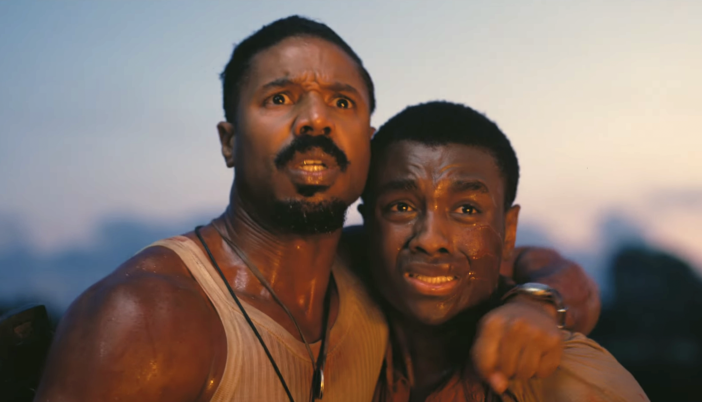
The ground is shifting underneath the theatrical release model, but the idea that we’re devoid of traditional movie stars comes undone when you look at Michael B. Jordan’s successes. Building on his childhood apprenticeship on peak TV stand-outs like The Wire and Friday Night Lights, Jordan has blossomed into a force, forming an incredibly potent partnership with director Ryan Coogler. From the powerful Fruitvale Station to the resurrection of the Rocky franchise by way of the Creed films and his role as Marvel’s last truly interesting on-screen villain in Black Panther, the two have found a rare level of creative synergy. With Sinners, Jordan gets a new showcase piece from Coogler, playing both sides of the Smokestack twins, gangsters who return from Chicago to Mississippi and open a juke joint in the 1930s. Jordan is mesmerizing as the tonally different twins, forced to deal with an unholy raid with vampires inhabiting friends, family, and strangers in the blood-soaked horror drama that refuses to relent. The rare piece of stand-alone, fresh IP capable of bringing in big numbers, the focus now turns to whether the Academy can give the film (and Jordan’s performance) the flowers it deserves as one of the year’s best. — Jason Tabrys
Sorry, Baby
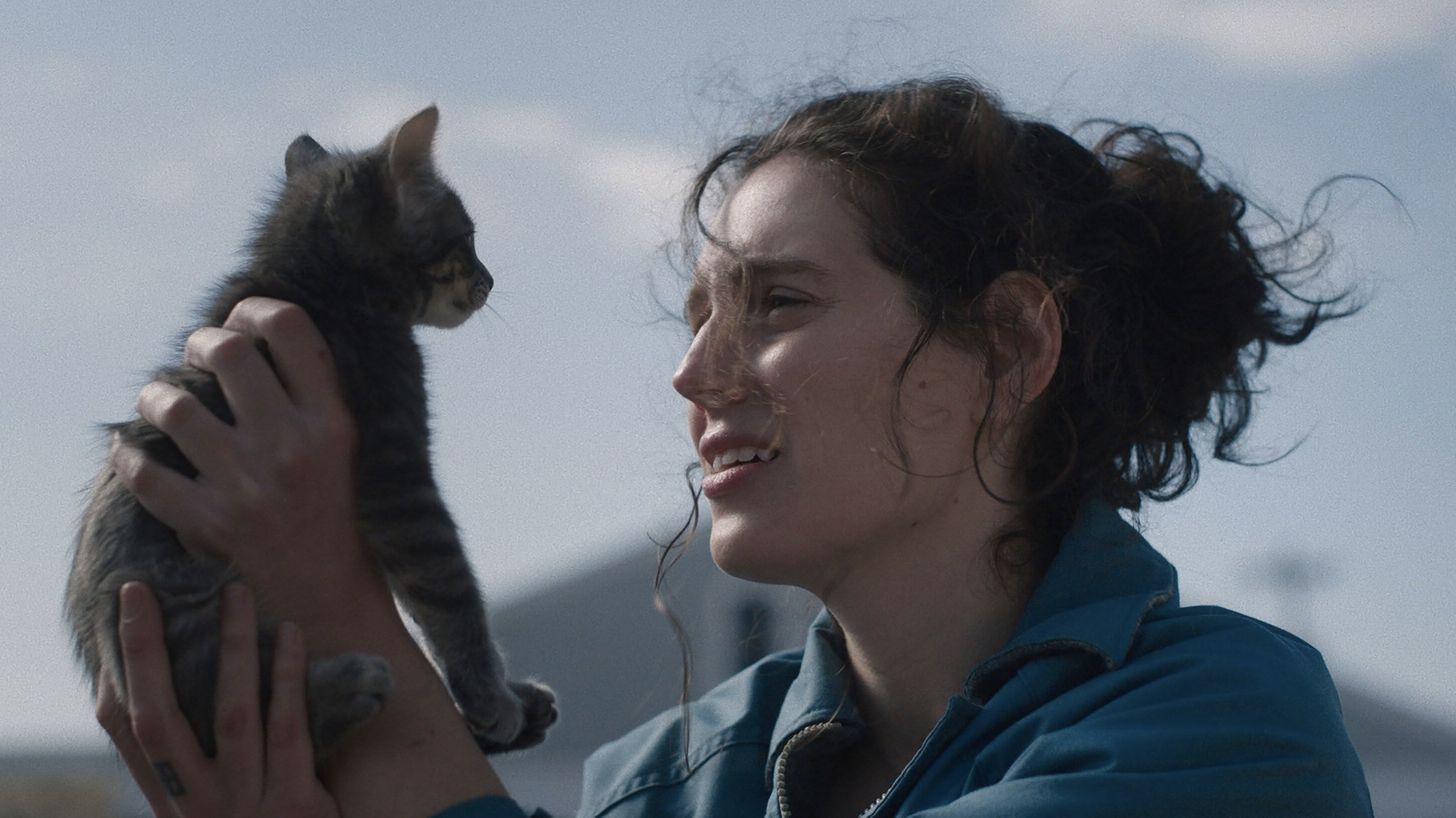
We first saw Sorry, Baby at Sundance earlier this year and it immediately stood out as the kind of debut you start mentally slotting into year-end lists before the credits even roll. First-time director Eva Victor mans the camera with striking restraint, telling a story about sexual violence that refuses to fall into the trap of sensationalism. She also stars as Agnes, the film’s protagonist, an academic stalled in the wake of a sexual assault by her mentor who is quietly moving through a life that feels oddly misaligned. Told in wryly funny chapters named after babies, sandwiches, and impossible questions, the film maps the long, grinding aftermath of trauma. By refusing to depict the assault itself, Victor shifts attention to the consequences of sexual violence that people rarely talk about: the unsympathetic doctors, the institutional indifference, and the way a single moment can hijack the years that follow it. It’s an unsparing but deeply compassionate film, sharp in its dark humor and sensitive to its own pain. — Jessica Toomer
Superman
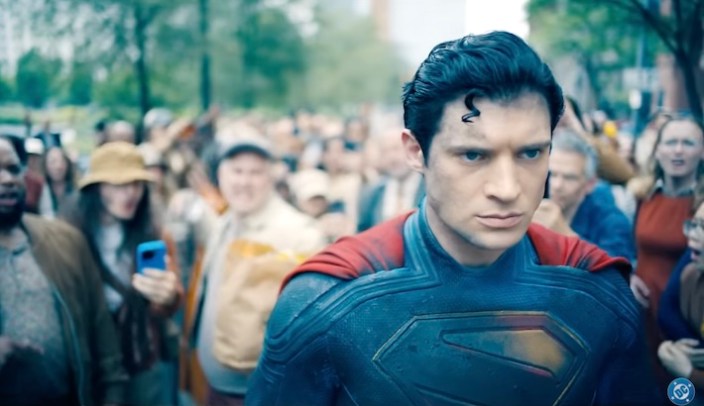
Before comic book movies were as ubiquitous as assholes, opinions, and assholes with opinions, there was Richard Donner’s Superman. Released in 1978, the film trafficked in the kind of comparatively lo-fi magic that used to trigger a suspension of disbelief when it came to men flying in capes and cheesy dialogue with “aw shucks” heroing. The world has changed a lot since then, and so has the way comic book movies reflect it back to us. There is, perhaps, good and bad to the rise of hyperrealism in these films, letting our brains go on cruise control when it comes to processing unbelievable sights while throwing so much at us – in terms of digital slop, heavy storytelling, twisty franchise-serving narratives, and expanded universe homework. James Gunn’s Superman is guilty of some of those things, but while it plays its part in laying the initial bricks for the new DCU’s cinematic universe, it also stands out as a thrilling, sometimes joyous, visually interesting, and not terribly complicated story of a conflicted but committed hero going up against a power-mad evil tech-genius zealot. At its core, Gunn’s Superman may not make you believe that a man can fly, but it might make you want to believe, cutting through a cynicism that has undercut the genre well into its bloat phase. — Jason Tabrys
Thunderbolts*
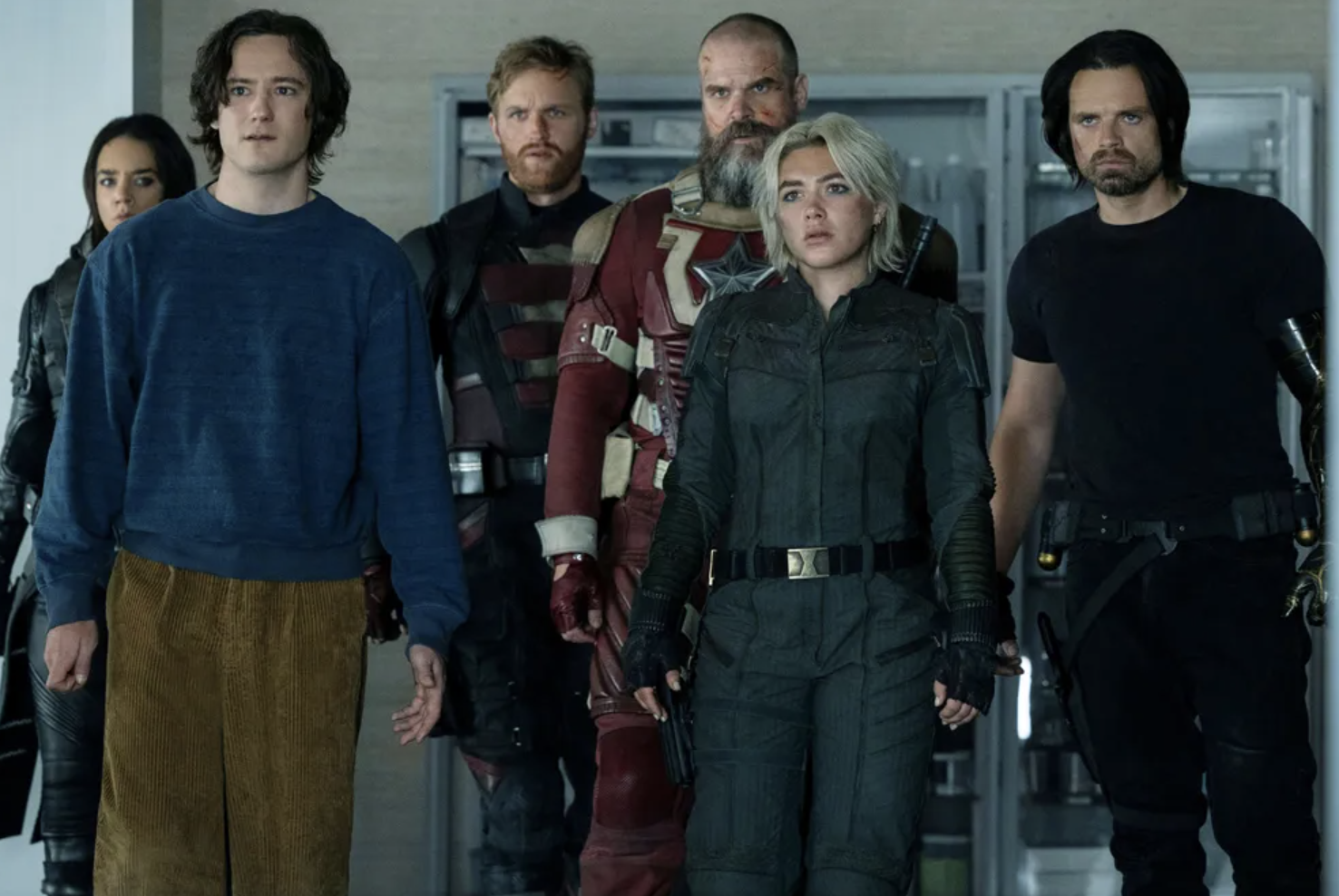
Thunderbolts* is Marvel at its most self-aware, and that’s a very good thing. This is a comic book story that’s been freed of its own pretentiousness. It knows it’s cobbling together B-list heroes and minor villains, putting them in ridiculous spandex, and tasking them with somehow saving the world when what they really need to be doing is seeking therapy. And because it knows all of this, it ramps up the explosions, goes cerebral with its action sequences, and litters its dialogue with snarky one-liners meant to kill time in its A24-esque promos. But just because it’s having fun at its own expense doesn’t mean it’s shallow. Director Jake Schreier is much more interested in character than spectacle here. Florence Pugh’s Yelena Belova carries that emotional weight with dry humor and simmering frustration, while Sebastian Stan’s Bucky Barnes flounders hilariously in the world of politics and paperwork. Wyatt Russell is a deadpan delight as John Walker, still processing what it means to be a “normal” human after years of super-soldier nonsense, and Lewis Pullman’s Bob turns apathy and instability into a ticking time bomb once his true nature emerges. What makes Thunderbolts* unexpectedly satisfying isn’t the choreographed action, it’s how much it clearly cares about the people inside the costume. — Jessica Toomer
Train Dreams
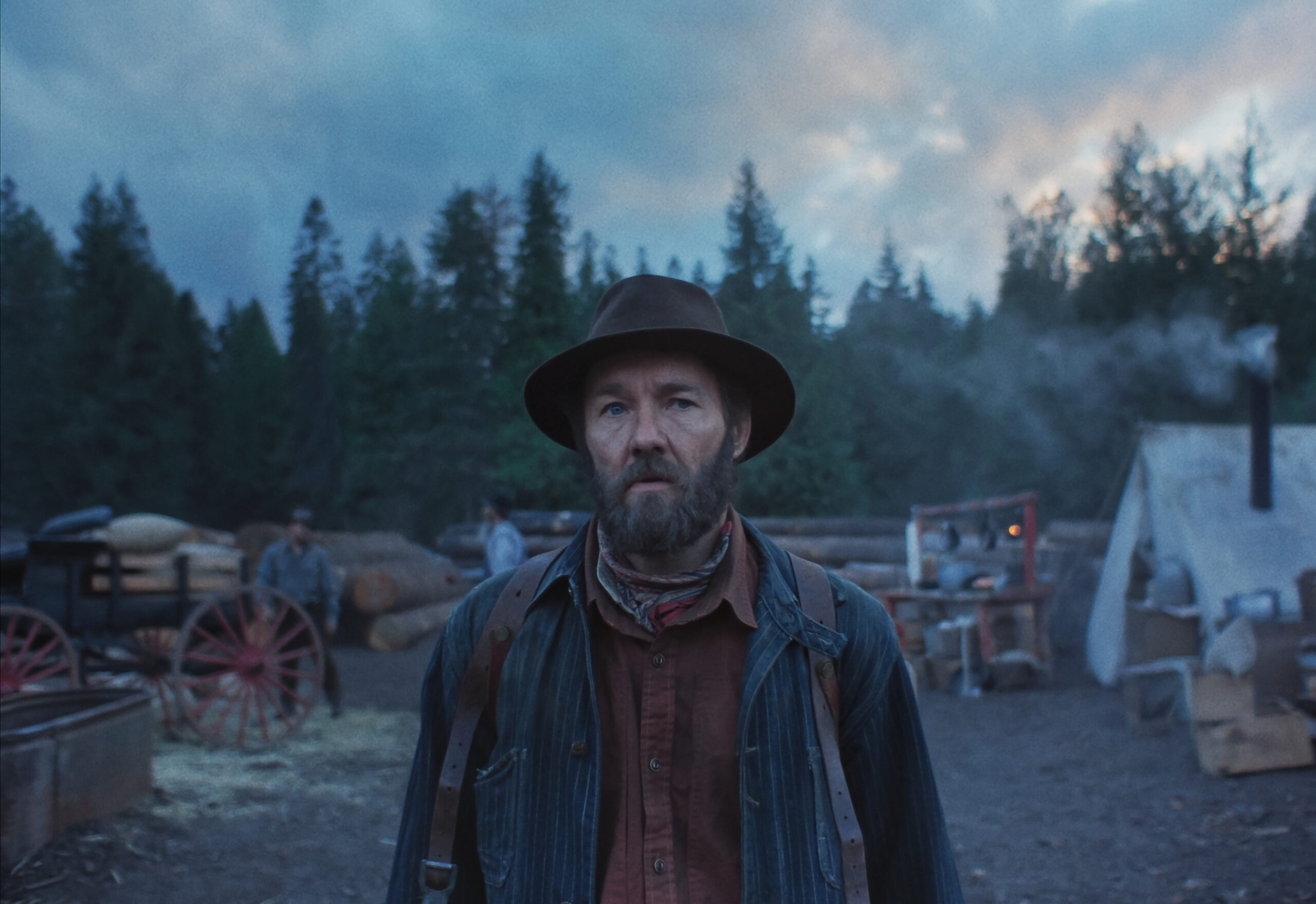
It’s been almost a year since Train Dreams premiered at Sundance and became the festival’s most discussed and acclaimed breakout. Clint Bentley’s spare, poetic, and deeply-felt adaptation of a Dennis Johnson novella – my favorite film of the year – was quickly swooped up by Netflix, leading to concern that it might get a quick content dump and never read the kind of screens that the film’s big trees and big feelings deserve. Well, the concern turned out to be relatively unfounded. Sure, most people will never see those towering pines make big crashes in a full, darkened room, but it did find its audience and has elbowed its way into deserved awards contention. It even created days worth of online debates about its merits, joining movies like May December and Marriage Story as indie films surprisingly faced with monoculture relevance via a Netflix release, both to the films’ benefits and detriments. All that’s to say that Train Dreams has impacted the year far more than most expected, and if that’s the way that one of the best film’s of 2025 finds its audience in the contemporary landscape, then so be it. — Philip Cosores
Weapons
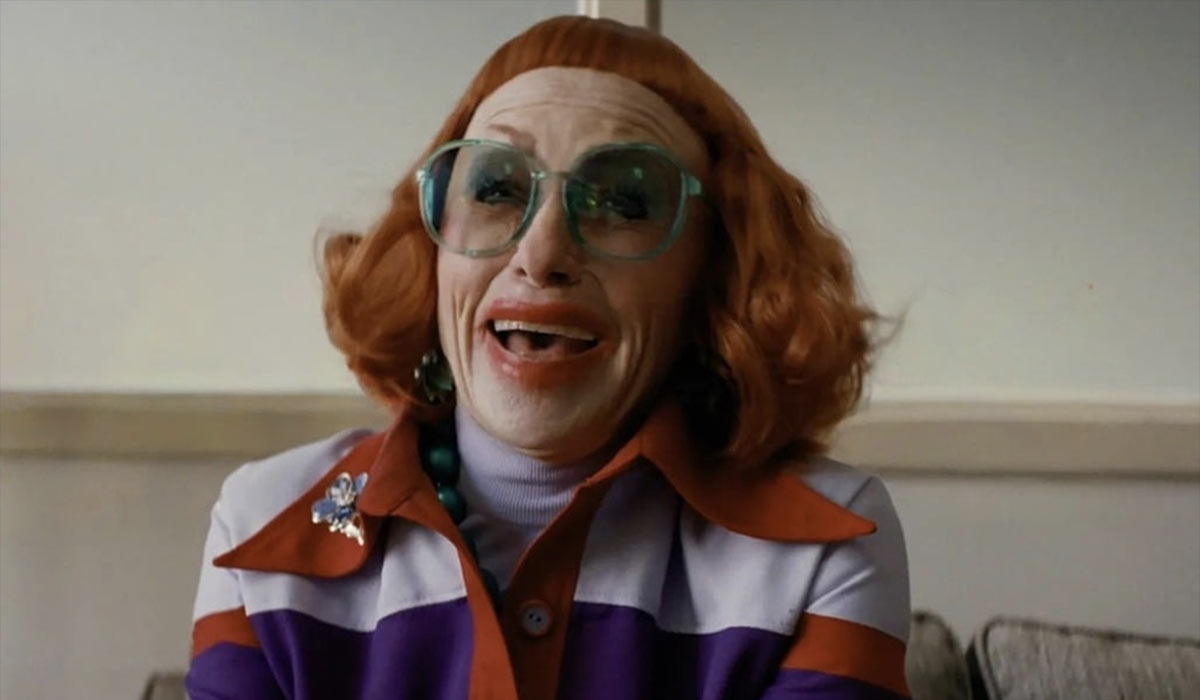
Weapons’ premise reads like the kind of ghost story you’d trade over a camp fire: a class of elementary school kids waking at 2:17 a.m., slipping out of their homes, and vanishing into the dark. From there, Zach Cregger turns his follow-up to Barbarian into a slow, nasty excavation of suburban panic. Told in overlapping chapters, the film tracks how grief and fear fracture a town, turning a teacher into a suspect, neighbors into vigilantes, and youthful innocence into something more sinister. Julia Garner and Josh Brolin are both excellent, anchoring the film as a scapegoated educator and desperate father scouring surveillance footage and their own unreliable memories for answers. But it’s Amy Madigan’s Aunt Gladys that emerges as one of the year’s most unforgettable horror creations, complete with the awards chatter and pop culture influence to prove it. Ultimately, Weapons isn’t interested in easy scares, it’s interested in how communities turn on themselves, and it couldn’t care less about offering comforting answers to the questions it’s asking. — Jessica Toomer