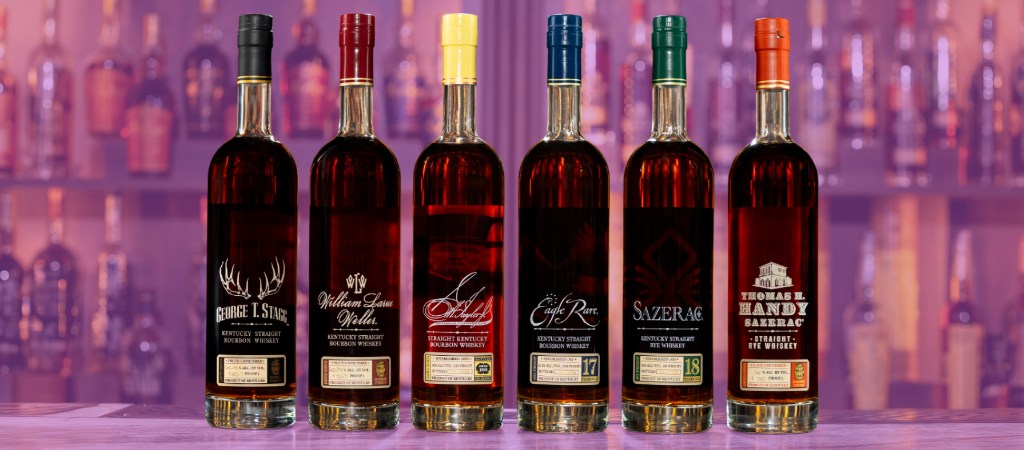

Buffalo Trace’s Antique Collection is always a star-studded event, featuring several of the year’s best whiskeys. That remains true in 2026, but with one notable surprise: Thomas H. Handy is now bottled at over 12 years old.
The lineup’s lone cask-strength rye was previously half that mark, matured for a mere 6 years. However, the brand team felt it was finally time for Thomas H. Handy to come of age. While most of the Antique Collection’s lineup doesn’t feature an age statement on the bottle, for the first time in the lineup’s 26-year history, all have been matured for more than a decade, upping the intrigue and making the 2026 lineup historic in its own right. Reps from Buffalo Trace also shared that this older Thomas H. Handy will be the standard moving forward, and that fans can expect all future releases to be aged for at least 12 years.
Fun fact: Thomas Hughes Handy was pivotal in replacing cognac with rye in the famous Sazerac cocktail, obtained the rights to Peychaud’s Bitters, and blazed a trail for the establishment of the modern Sazerac Company.
As for the quick hits on the rest of this year’s expressions, George T. Stagg and William Larue Weller both came in at a lower proof (130.9 and 121.9, respectively), Colonel E.H. Taylor Bottled in Bond is back for a second year, and the age-stated duo of Eagle Rare 17 and Sazerac 18 were the second biggest surprises of the year.
We were able to taste the full lineup in advance of its nationwide launch, and it’s time for a full review and ranking!
6. E.H. Taylor Straight Kentucky Bourbon Whiskey
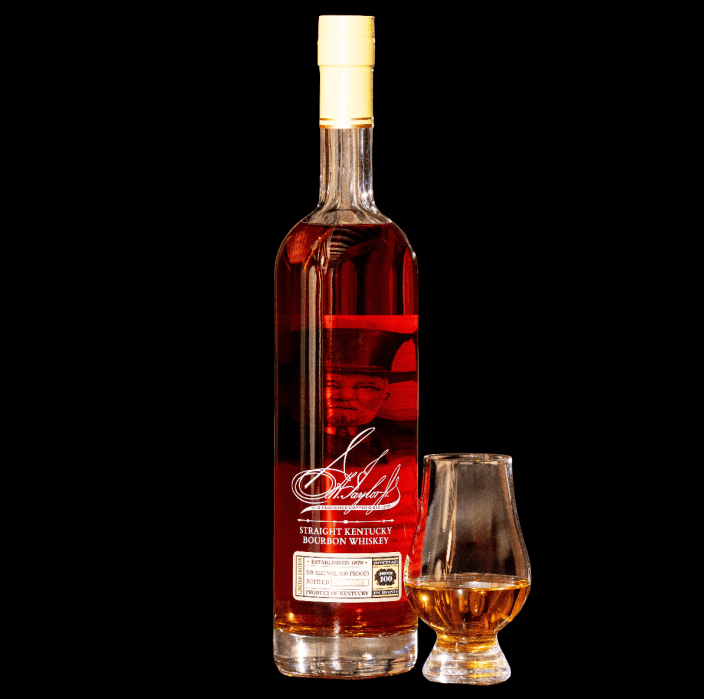
ABV: 50%
Average Price: $154.99
The Whiskey:
The 2026 E.H. Taylor Straight Kentucky Bourbon Whiskey was distilled in the spring of 2011 and is composed of a grain recipe made up of undisclosed proportions of Distiller’s grades #1 and #2 Kentucky corn, Plump Rye, and Distiller’s Malted Barley. The whiskey came off the still at 140 proof and then entered the barrels at 125 proof before maturing in warehouses C and O on floors 1,2, and 6. After 15 years of maturation, 67% of the original whiskey was lost to evaporation before it was chill-filtered and bottled.
Tasting Notes:
Nose: Right off the bat, you’re hit with the aroma of Rainier cherries, vanilla extract, dusty books, orange pith, and bruised peaches. From there it evolves to welcome aromas of herbal tea, honey, and fresh green peppers. It’s all very balanced and moderately distinct, and closes out with a light savoriness and a compelling doughy quality.
Palate: Once the first sip is engaged, the flavors of peaches, cookie dough, orange pith, and white pepper stand out most prominently on the palate. After a few swirls of the glass, a second sip welcomes notes of vanilla extract, Luden’s cherry cough drops, and a faintly medicinal splash of sweet amaro.
Finish: The finish is fairly succinct, taking a turn to the spice cabinet with a touch of black pepper before receding into hints of leather, cocktail cherries, toasted almonds, and pie crust.
Bottom Line:
While last year’s E.H. Taylor Bottled in Bond BTAC bottle (try saying that 5 times fast) was a restrained but totally pleasant expression that planted itself in the middle of the pack despite its modest proof, this year’s expression is a bit uneven. This is still an enjoyable whiskey, but one that comfortably claimed 6th place in the elevated lineup.
5. William Larue Weller Kentucky Straight Bourbon Whiskey
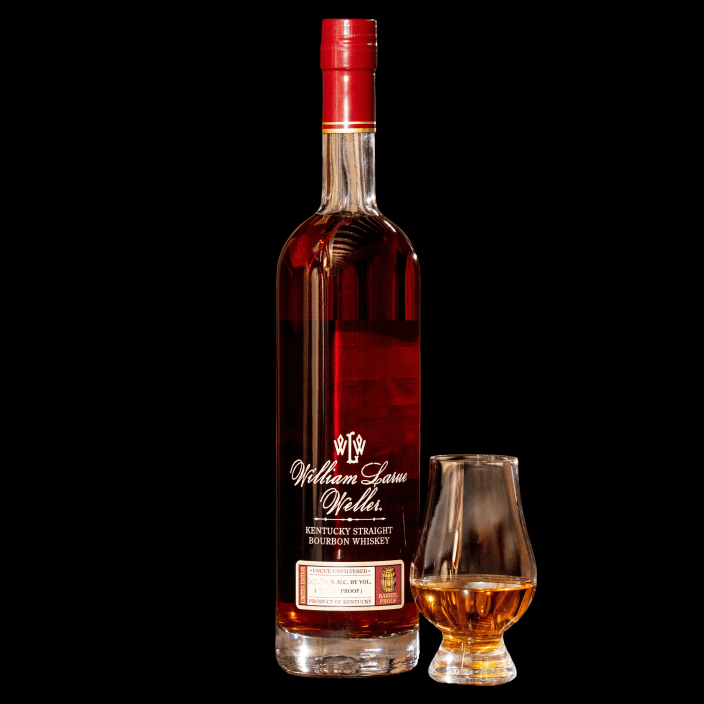
ABV: 60.95%
Average Price: $154.99
The Whiskey:
The 2026 William Larue Weller is a blend of wheated bourbon from three distillation dates: December 2011, January 2012, and January 2014, with the youngest whiskey having matured for 12 years and 7 months once bottled. It uses a grain recipe of Kentucky corn that’s distiller’s grade #1 and #2, Soft Red Winter Wheat, and Distiller’s Malted Barley. The whiskey was aged in Warehouses D, I, K, L, M, Q, and U on floors 1, 2, 3, 4, and 5. Finally, the whiskey came off the still at 130 proof, but it has a barrel entry proof of 114, with 62% of the original whiskey lost to evaporation before being bottled without chill filtration.
Tasting Notes:
Nose: The nosing notes open with a flourish of cherry cordials with dark chocolate, caramel, tobacco leaves, and earthy leather. From there, it evolves to include elements of vanilla, oak, challah bread, and bright mint. Over time, it develops a stunning aroma of Oishii omakase strawberries and brown sugar, which overpower the more nuanced notes found at the outset.
Palate: Once in the mouth, the whiskey is again delicately nuanced with notes of black cherry, vanilla frosting, salted caramel, and golden raisins. Over several subsequent sips, the fruity interplay of golden raisins and black cherries entices, while the faint astringency and black tea flavor corral all that sweetness.
Finish: Things begin to get a bit tannic on the medium-length finish, with notes of vanilla, dried black cherries, black pepper, and brown sugar standing out.
Bottom Line:
William Larue Weller is always a crowd-pleasing bourbon, and this year’s expression remains so, with a slightly more tannic presence than previous iterations. Gone are the lush caramel and confectionery notes of older releases; instead, it feels like a fairly transformed whiskey that gently reminds you of its wheated heritage rather than boldly proclaiming it.
While it isn’t the strongest flavor evolution in this year’s BTAC lineup, it still managed to finish neck-and-neck with the next whiskey on our list.
4. George T. Stagg Kentucky Straight Bourbon Whiskey
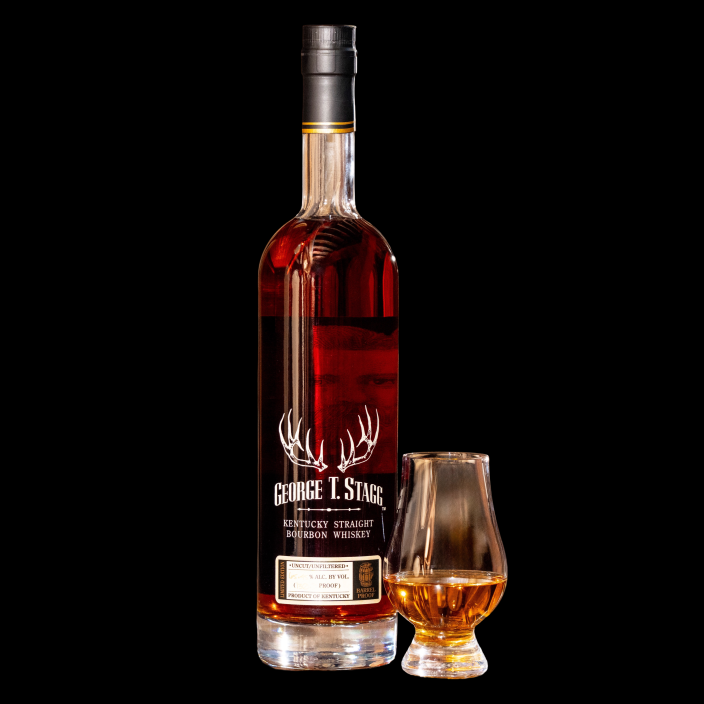
ABV: 65.45%
Average Price: $154.99
The Whiskey:
The 2026 George T. Stagg was originally distilled in the spring of 2011 and bottled at 15 years old. The stat sheet for this year’s expression indicates that it was made with Kentucky Corn Grades #1 and #2, Minnesota Rye, and North Dakota Malted Barley in undisclosed proportions. The whiskey came off the still at 140 proof, then entered the barrels at 125 proof before maturing in Warehouses N, R, and T on floors 1, 2, and 3, losing 59% of the original whiskey to evaporation, and was bottled without chill filtration.
Tasting Notes:
Nose: This year’s George T. Stagg introduces itself in the glass with an alluring aroma of figs, white peaches, and gooey caramel. A second pass presents rich notes of vanilla custard and tart crust, wild heather, and buckwheat honey. Finally, given some time to develop further, it takes on some strong notes of chalky Tootsie Roll chocolate, cinnamon bark, and freshly cracked black pepper.
Palate: Is that boozy Cinnamon Toast Crunch? It is, and that surprising lactic-cinnamon combination is soon joined by notes of black cherry, buckwheat honey, vanilla extract, milk chocolate, and barrel char. It’s potent but not necessarily rich, with a moderate harshness that curbs the expression of its multi-layered flavor profile.
Finish: In my notes, I remarked that the finish is “lengthy as hell” with fresh black cherries, buckwheat honey, and cinnamon toast lingering long after the last sip.
Bottom Line:
Last year’s George T. Stagg was a bit polarizing, with a potent proof point that delighted stout-sipping sadists but ultimately featured more flash than substance. The 2026 George T. Stagg release does more with less, delivering a dynamic flavor profile while maintaining a more approachable, though still cutting, edge that perfectly meets one’s expectations for the bold bourbon.
This is classic George T. Stagg all the way, with a bit more baking spice thrown in for good measure.
3. Sazerac 18 Year Old Kentucky Straight Rye Whiskey
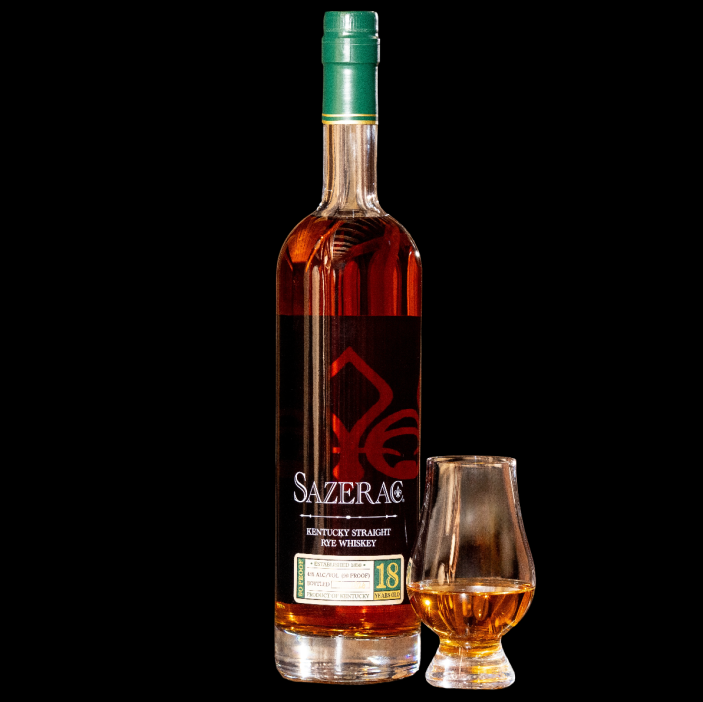
ABV: 45%
Average Price: $154.99
The Whiskey:
The 2026 Sazerac 18 is a blend of rye whiskeys distilled in the spring of 2007 & 2008, with the youngest whiskey aged for 18 years and 5 months at the time of bottling. It uses a mash bill of Minnesota Rye, distiller’s grades #1 and #2 Kentucky corn, and North Dakota Malted Barley. The whiskey came off the still at 135 proof, was then placed in the barrel at 125 proof, and matured in warehouses K, L, M, and P on floors 1, 2, and 3. Finally, 73% of the original whiskey was lost to evaporation before the whiskey was chill-filtered and bottled.
Tasting Notes:
Nose: The nosing experience on this year’s Sazerac 18 opens with robust notes of green apples, Tootsie Roll chocolate, tobacco leaves, and honeyed mint tea. That rich opening salvo gains steam with the steady unveiling of allspice, dusty books, stewed peaches, mature oak, and apple cider over time.
Palate: On the palate, this whiskey greets the senses with the chalky semi-sweetness of chocolate truffles, buttressed by butterscotch, fresh apricots, gentle rye spice, white flowers, and vanilla frosting. It’s both a rich flavor profile and textural experience, as it sits densely on the palate and defies its moderate proof with marvelous richness.
Finish: Again, in spite of its abridged ABV, the 2026 Sazerac 18 has a medium-length finish that crescendos with notes of sweet vanilla, herbal tea, butterscotch, and polished leather.
Bottom Line:
The highest riser on this list, last year’s Sazerac 18 was wildly polarizing, with an austere and earthy flavor profile that simply felt tepid for such a prestigious expression. The 2026 Sazerac 18 is the complete opposite, triumphantly announcing itself on the nose as an altogether more distinct and well-developed whiskey than its predecessor and following that thread through on the palate, where it erupts into a symphony of sweet, rye-spiced flavors.
The difference in quality among the Antique Collection’s top 3 whiskeys this year was razor thin, making this one only the slightest cut below our 2nd-place entry.
2. Eagle Rare 17 Year Old Kentucky Straight Bourbon Whiskey
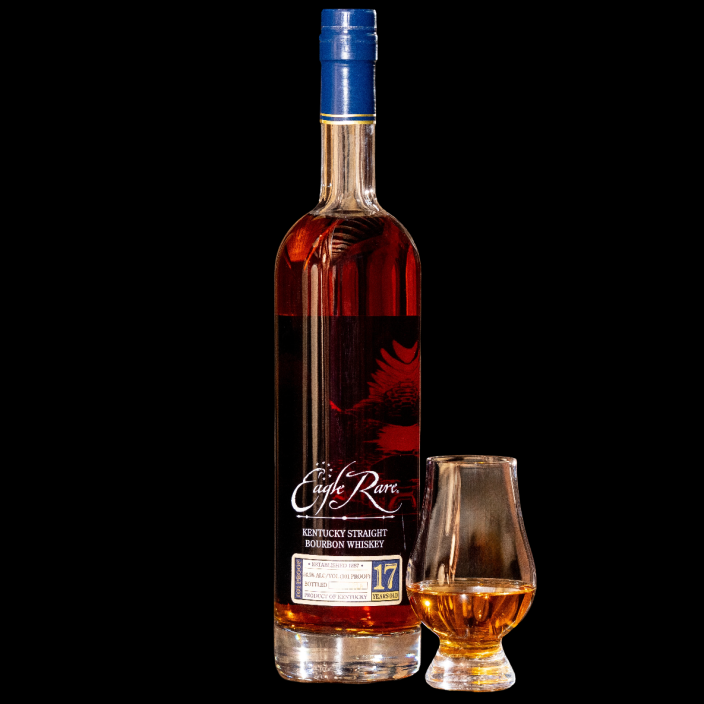
ABV: 50.5%
Average Price: $154.99
The Whiskey:
The 2026 Eagle Rare 17 was distilled in the spring of 2008 and is made up of Distiller’s grade #1 and #2 corn, Plump Rye, and Distiller’s Malted Barley in undisclosed proportions. The whiskey came off the still at 140 proof, entered the barrel at 125 proof, and matured in Warehouses K, M, P, and Q on floors 1 and 2. Lastly, 76% of the original whiskey was lost to evaporation before it was chill-filtered and bottled at 17 years of age.
Tasting Notes:
Nose: The most cherry-laden and caramel-forward whiskey of the bunch, the nose on the 2026 Eagle Rare 17 touches on all the rich, sweet elements that Buffalo Trace as a distillery is best known for. It crackles with the aroma of torched orange peel and grilled shishito peppers, then soars to greater heights with a drizzle of Manuka honey, a smattering of dried apricots, and a delightful conclusion of cacao nibs.
Palate: The initial sip sends a twinkle to the eye, with rich, dark chocolate coating the tongue before black cherry syrup and vanilla beans add impressive dynamism to the experience. It’s extremely rich and decadent right off the bat. While those sweet flavors continue to unfurl and coat the mouth with remarkable balance, subtler hints of wildflower honey, stewed green apples, tobacco leaves, and allspice work in concert to bring a bit of complexity.
Finish: The finish is brief-to-medium in length, and showcases touches of sweet leather, chocolate ganache, black cherries, and black peppercorns, the last of which lends a slightly earthy grounding that heightens the effect of its overall sweetness.
Bottom Line:
This year’s Eagle Rare 17 is two things at once: reflective of its restrained proof in its more straightforward flavor profile, and spectacular in spite of its abridged ABV, thanks to a remarkable richness that seeps into your palate like rainwater in fertile soil. I tasted this whiskey 3rd in the lineup, and it was immediately my favorite of the bunch.
That is, until I tried the final whiskey in this year’s collection…
1. Thomas H. Handy Rye Whiskey
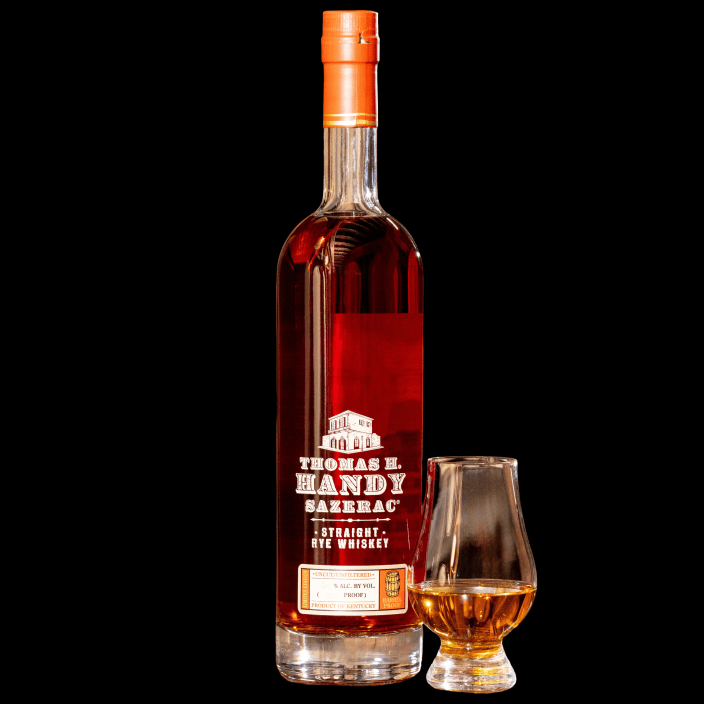
ABV: 65%
Average Price: $154.99
The Whiskey:
The 2026 Thomas H. Handy Sazerac Straight Rye Whiskey, for the first time since its creation, was aged for at least 12 years. Specifically, this release was matured for 12 years and 6 months and features a blend of whiskey that was distilled in the spring of 2013 and 2014. Composed of a grain recipe with undisclosed proportions of Plump Rye, Distiller’s grade #1 and #2 Kentucky corn, and Distiller’s Malted Barley, the resultant whiskey came off the still at 135 proof and was put in the barrel at 125 proof. From there, those barrels aged in Warehouses L, M, and Q on floors 2, 3, and 4. Finally, 51% of the whiskey was lost to evaporation before it was bottled at its unfiltered cask strength.
Tasting Notes:
Nose: The nosing experience opens with honey-drizzled green apples, sweet hay, black pepper, and peanut shells. From that stunning opening, it continues with the aroma of ripe apricots, which pushes the interplay of earthiness and stone fruits to new heights while carrying a bit of dustiness, tobacco leaves, and, over time, a wonderfully potent bouquet of cinnamon spice. That surprising final note only gains prominence as the minutes pass, making it the defining aroma of the pour before long.
Palate: This year’s Thomas H. Handy introduces itself on the palate with a huge splash of honeyed sweetness, hazelnut-tinged ethanol heft, and earthy cinnamon spice. Texturally, it’s quite silky yet dense, sitting with considerable pressure on the palate and gently coating the tongue. From there, it sprinkles a touch of black pepper spice alongside freshly cut pears, sticky caramel, and a pop of papaya. Despite its attention-grabbing proof point, this is what I’d call a “crushable” whiskey, as its flavors easily outpace any ethanol harshness.
Finish: The finish on this whiskey is long and persistent, peppery overall, yet still with surprising pops of tropical fruit and honeyed sweetness. In a word, it’s outstanding.
Bottom Line: I was anxious to avoid being a prisoner of the moment and awarding the top spot to the “newest” expression in this year’s Antique Collection lineup, but alas, it’s unquestionably the most captivating whiskey of them all.
What this twelve-year Thomas H. Handy gains in multiplying its maturation isn’t complexity; it had that in spades to start. Instead, it’s marked by vast textural improvements that provide a strong foundation for its noticeably richer essence to soar. While I still love the brashness of Thomas H. Handy’s previous 6-year expressions, at twice the age, this offering’s polished maturity adds authority to the chorus of convincing arguments for its quality.
Final Thoughts:
For those keen on theiving joy and comparing the 2026 BTAC lineup with the one from 2025, the differences are clear. The more moderately proofed William Larue Weller and George T. Stagg offerings are a step above their predecessors; Sazerac 18 and Eagle Rare 17 are exceedingly more expressive on both the nose and the palate, and the 2026 Thomas H. Handy, in its 20th year in the lineup, feels like it’s finally fully arrived.
The margins between each expression are pretty thin, especially with regard to the top 3, and when picking a favorite between George T. Stagg and William Larue Weller, which is likely to spark some inspired debate this year. However, there’s no mistaking that overall quality is trending upward, and with a barrel-proof rye leading the charge, one has to wonder whether we aren’t getting a glimpse of the future of American whiskey.
A future that, unsurprisingly, looks a lot like the pre-Prohibition history of American whiskey. One where rye stands on equal footing and often exceeds the quality of comparably aged bourbon.
If we’ve finally reached a point where premium rye releases rival the year’s best bourbon offerings, which seems to be the case with a rye whiskey claiming two of the top three spots on this list, then despite any reports to the contrary, the future of American whiskey is brighter than ever.